

Leave No Trace Principles: Why They Matter & All 7 Explained
LNT, Leave No Trace, take only pictures, leave only footprints. What do these phrases mean, and why is Leave No Trace important?
Leave No Trace (LNT) is a set of 7 outdoor ethics principles designed to minimize human impact on natural environments. Following these principles protects wildlife, preserves landscapes, and ensures our national parks and outdoor spaces remain beautiful for future generations.
One fun fact about me is that I am an Eagle Scout! In Boy Scouts, the Leave No Trace principles are a core concept of scouting.
Think about how many people visit national parks and other outdoor locations each day over the course of a year. Grand Canyon National Park sees 5 million visitors per year! What if each person left a piece of trash behind, or took a piece of wood from Petrified Forest National Park?
Our outdoor spaces would be trashed, and there would be no petrified wood left for anyone to see. Those are just 2 reasons why you should always follow the 7 principles of Leave No Trace. So what are they?
Leave No Trace Principle 1: Prepare and Plan Ahead
As you can see from this website, we love to plan ahead! We wouldn’t be able to get to the places we go or see all the things we want to see without having a plan. By planning ahead, you will avoid unexpected situations and stress during your trip.
📋 Speaking of plans, we have some here for you ready to go. Check out our Itineraries page for some great ideas!
When traveling to the national parks, plan ahead to know what your entry fees will be. Do you need advanced reservations to get into the park or drive a specific road? Be prepared for all types of weather. It could rain or snow, and what will you do if caught in a thunderstorm at the summit of a mountain?
These are all things to consider while planning your trip and preparing for travel.
Leave No Trace Principle 2: Travel and Camp on Durable Surfaces
How many times have you been to a national park and seen other folks hiking off the trail, trampling over vegetation, cross-cutting switchbacks, or parking where they shouldn’t be? These are some things you don’t want to do.
Durable surfaces at our national parks include paved roadways, marked trails, and designated campsites. In busy areas, use established trails and stay on designated pathways or behind barriers. These are often placed for your safety and for the conservation of the landscape.
If a trail is marked as closed, please don’t enter. This is important for habitat restoration. If you are in the backcountry, take different paths and spread out to reduce erosion. Avoid permanent-looking campsites.
Together, we can keep our natural landscapes in good condition for future use by sticking to durable surfaces and reducing our impact on the surrounding environment.
Leave No Trace Principle 3: Properly Dispose of Waste
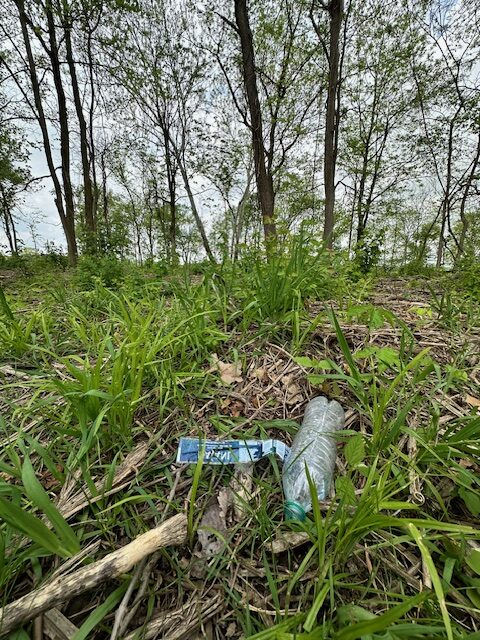
Trash, plastic water bottles, human waste, and fruit peels. I would need to add some fingers and toes to count how many times I have seen these items left behind along the trails at our national parks and other trails. Pack it in, pack it out!
Anything you take with you hiking or camping should come out with you in the end. Yes, this also means used toilet paper in some situations! This goes back to the first of the seven principles of Leave No Trace – plan ahead and prepare.
Some items left behind can take years to decompose and can harm the environment. You wouldn’t want someone coming into your home, trashing it, and leaving, would you?
- Pack out and take all trash with you unless there are garbage receptacles present that you can use. Do not throw trash into pit toilets.
- Speaking of toilets, use one when you can! If you can’t, use a cathole dug 6 to 8 inches deep for solid human waste. Gross right? But when nature calls, it calls. Make sure a cathole is at least 200 feet from water, campsites, and trails. Cover and disguise the cathole when finished. Pack used toilet paper out with you.
- Use a small amount of biodegradable soap if you need to do any cleaning.
Leave No Trace Principle 4: Leave Behind What You Find
Have you been to one of the park visitor centers where they have an exhibit about an item or artifact taken from a park? There are good examples at Petrified Forest National Park. Be sure to check them out when you go.
Oftentimes, these items are returned after years. Some may even claim to have bad karma because of something taken in years past, or their guilt has caught up to them, and they have decided to return the rock or artifact.
This principle is simple – leave everything! Take only pictures and leave only footprints. This goes for plants, rocks, and other objects in the park. Do not build your own rock cairns or move plants. Leave everything as it is.
Leave No Trace Principle 5: Minimize the Impact of a Campfire
If you have noticed from our website, we don’t like to camp. This isn’t because we CAN’T camp, but we’re getting old and love a nice cushy bed to sleep on. That being said, campfires can degrade the landscape over time. If you can use a small propane stove for cooking, that helps.
However, everyone loves a good campfire, so if you have one, stick to the following:
- Use existing fire rings and keep your fire small.
- Do not import firewood from other states – this can cause non-native insects to spread.
- Use wood that has already fallen out of trees; don’t cut down trees for the purpose of a fire.
- Burn wood all the way down to black ash. Put out your campfire when finished. Then, spread the ash once cool. Always remember what Smokey the Bear taught you!
Leave No Trace Principle 6: Be Respectful of Wildlife
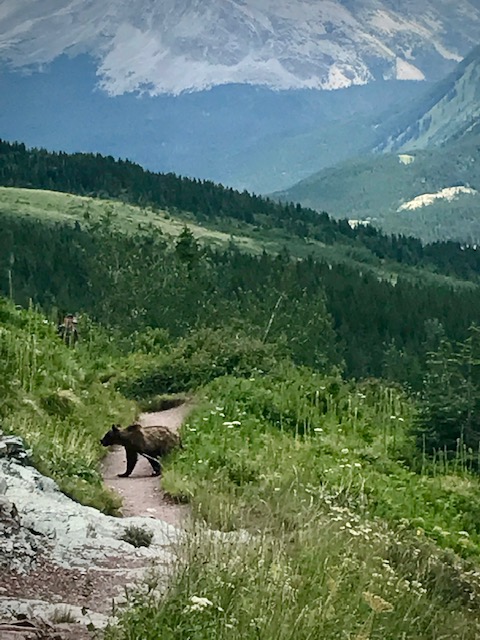
Don’t pet the fluffy cows! We know you have seen the videos of visitors trying to take pictures with bears or getting charged by bison. Please keep your distance from all wildlife and don’t follow or approach them to get pictures for the “gram”.
🐻 The best parks for wildlife? Yellowstone and Grand Teton! Get all the details on our itinerary here.
You can get seriously injured or even killed. Additionally, protecting and respecting wildlife includes not feeding them, storing your food and trash securely, and controlling your pets if allowed to accompany you on trails. Remember, our parks are home to wildlife, and they were there first.
Leave No Trace Principle 7: Be Courteous and Considerate of Others
Personally, I think this is a very important aspect of Leave No Trace. It’s not a pleasant experience when other visitors are treated poorly or when people are inconsiderate of others. Fighting over parking places, being oblivious to others, or being loud and obnoxious on trails are a few examples.
My favorite example is when a group of hikers is not aware of those behind them who may want to pass them while taking up the entire width of the trail. Paying attention to your surroundings is important! Oh, and blaring your music? No one wants to hear that!
That being said, yield to others on the trail, step aside for livestock when hiking (horses, etc), and let mountain bikers pass when sharing a trail with them. These are small things you can do to make your trip to a national park enjoyable for all.
Frequently Asked Questions About Leave No Trace
What are the 7 principles of Leave No Trace?
The 7 LNT principles are: (1) Plan Ahead and Prepare, (2) Travel and Camp on Durable Surfaces, (3) Dispose of Waste Properly, (4) Leave What You Find, (5) Minimize Campfire Impacts, (6) Respect Wildlife, and (7) Be Considerate of Other Visitors.
Why is Leave No Trace important in national parks and while hiking?
National parks receive millions of visitors annually. Grand Canyon alone sees 5 million per year. Without LNT principles, the cumulative impact of that many visitors would permanently damage trails, wildlife habitats, and natural landscapes.
Is Leave No Trace a law?
Leave No Trace is not a law but an ethical framework. However, many specific LNT behaviors, like removing artifacts from national parks or feeding wildlife, are legally enforced and can result in fines.
What does “pack it in, pack it out” mean?
It means anything you bring into a natural area, including food, wrappers, and all of your gear, should leave with you. Nothing should be left behind on trails or at campsites. Keep it clean!
Final Thoughts
As an Eagle Scout, Leave No Trace principles were drilled into me from a young age, and after visiting 42 of the 63 US national parks, I’ve seen firsthand what happens when they’re ignored.
Finally, you can now answer the question “Why is Leave No Trace important?” Following the 7 principles will help to conserve our natural landscapes for years to come. You will help to protect groundwater, animal and plant habitats, and help to ensure a pleasant visit for everyone.
Protecting our earth is important, and we can all play our part in leaving no trace!
🏞️ Check out some of our travels to the amazing national parks, right here.


